Another bonus episode before we switch to bi-weekly.
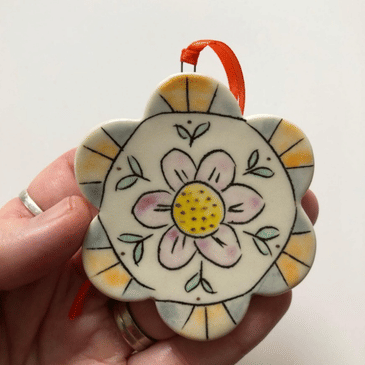
Bob interviewed Carole Epp, a Canadian potter and ceramic community builder. They talk about art, clay, colour, surface, and Carole's connecting emotion and people to her work. I think you'll really enjoy the conversation.
You can find Carole at her website https://www.caroleepp.com/ and through her ceramic community building site https://www.musingaboutmud.com/ and on Instagram at https://www.instagram.com/musingaboutmud/
And, of course, please subscribe to the show and give the show a review.
[00:00:00] I actually think that sometimes getting out of the material and looking at it through different lenses or different, you know, other processes gives us something that we take back to the clay afterwards.
[00:00:14] So I'm actually really encouraged by the idea of using things like AI for artists to really sketch things out in a very different way. Welcome to the Colour and Ceramics podcast. I'm Bob Acton, and I'm really happy to introduce Carole Epp to our show.
[00:00:33] Carole is a marvelous ceramic artist living in practicing in Saskatchewan, Canada. Carole has two distinct bodies of work, including sculpture objects, as well as domestic functional objects.
[00:00:48] Her artwork and writing has been shown and published around the world, most notably in 2017 in Ceramics Monthly when she was named the Ceramic Artist of the Year.
[00:01:01] She is a fierce advocate for the Ceramics community, and she is the editor of Musing About Mud, an online blog all about clay, and she is the co-founder of Maken Do Ceramics, which is a Canadian collective focused on the promotion of Canadian Ceramics internationally.
[00:01:22] We talked about her journey in art and how she thinks about color, form and illustrations she uses in some of her work, and she had some great tips for fellow artists. I hope you enjoy the show.
[00:01:38] Welcome to Color in Ceramics, the podcast for Ceramic Artists who want valuable ideas about using color from leading artists and world class experts. Here's your host Bob Acton, a sculptor and Ceramic artist who's fascinated with color and help potters, sculptors, and artists use color in their work.
[00:02:03] Tuning is he talks about color, techniques and the impact of color on people and art itself. Here I'll thank so much for joining us on the podcast here. I'm pretty excited about you being with us.
[00:02:15] Thank you so much for having me. I'm really excited about this conversation we're going to have. I'm truly curious to hear your thoughts on color and everything too, so this is going to be wonderful.
[00:02:26] You're most welcome. I really like your work and I've seen you do little different things, I guess. Some of the stuff that I've seen you do over the last little while is I was in my mind as I'm talking to you.
[00:02:40] I see this bright pink and black piece that really struck me. Then when I look at some of your other work, it's got characters in it and you're telling a story on some functional way. So I really love that work that you're doing. Thanks so much.
[00:02:58] Yeah, these have been, I mean Ceramic is just, I'm obsessed. I'm completely enamored by the potential of the material and the possibilities. And so yeah, in the last, some of the one you mentioned like the pink and gray one.
[00:03:11] Yeah, I want to dig into some of that stuff because I've actually done this shift in those last year where I'm doing a lot more online even with AI and designing things and that's actually really gotten me thinking way more about color than I ever did before.
[00:03:24] So yeah, perfect timing that. I wonder if you could tell us a little bit about your why, like how you got into this, what turns your crank about doing play and ceramics and just give people a sense of you and your background. Absolutely.
[00:03:46] So I started in ceramics like it's the same story that I've heard so often when I've interviewed artists and clay and just had to take this ceramics class in college and I didn't really want to and I took it and then I never looked back.
[00:03:59] I'm one of those. I'm in that club, so yeah, I really thought I was going to be a painter. I wanted to do something creative and artistic and then clay just absolutely drew me in the entire process.
[00:04:13] The getting dirty, the the understanding of materials and and the pushing pull of the conversation that the clay has with you when you're trying to mold it all of that really was something that just yeah it just spoke to me that it was.
[00:04:29] I think a lot of clay to me is that it's the material has such a large component of the conversation that I get to feel as an artist that I get to sort of.
[00:04:40] I can in view what I want into the work, but I also get to sort of stand back and let the beauty of the material just take over and have part of the conversation too.
[00:04:49] So it's just been it's been what 25 years or so yeah it's been a long time I've been working in clay so yeah over the years like my passion for what inspires me has changed as well too so.
[00:05:04] I've worked in the past with sculptural stuff a lot more political social commentary stuff and then shifting into those illustrative dishes you mentioned before that was totally inspired by having kids and and shifting.
[00:05:19] You know the different kinds of things that we're going through our house and and being inspired by the illustrations and children's books all of that kind of stuff and then the social.
[00:05:29] And then the social political commentary started filtering into those things too and so yeah I find ceramics is really interesting. You can use the vessel to really deal with some difficult subject matter because we start with this object that's familiar.
[00:05:46] And so every time that I want to present subject matter is really difficult to sort of digest or to work through emotionally.
[00:05:54] I find that there's this comfort it's like a quilt it's like this thing that you go to when you're you know this warm cup of coffee this warm soup and so these objects that we already associate with comfort.
[00:06:06] I think are really interesting to not well play around with subvert I don't know what the right word is but to just you know these objects are in our house and so we're able to sort of digest that maybe the subject matter a little bit easier because we're more comfortable with them so.
[00:06:23] Yeah that's kind of why I've sort of stayed with him ceramics is that attachment to the domestic sphere and everything I do a lot of painting and everything else around it but it's.
[00:06:33] There's always something that draws me back to that object that you hold in your hand and that you interact with David they so. There's a real visceral quality to it isn't there.
[00:06:43] Oh absolutely yeah yeah no absolutely in this I mean and just the idea of like objects within this you know we all exist in this capitalist society of.
[00:06:52] Like we collect things and we love things and ceramics is one of those things where it's each one is so unique and so different that it's we're collecting all these different stories from different people that's I really love that it's these different narratives or languages visual languages that people present through clay is.
[00:07:12] I feel like it's and I'm biased but it's like I feel like ceramics really shows this really incredible broad range of what artists are capable of doing.
[00:07:24] There's so many different facets of research and stuff with in ceramics that it's just it's never ending in terms of its inspiration. Yeah and there's a tremendous complexity to it isn't there.
[00:07:36] You know in lots of ways there's a simplistic quality to it as you were talking I was thinking about a mug and many of us relate to ceramics through a mug right it's the often the biggest seller that's that that potters have.
[00:07:52] And and it's simple in it you know when I have my cup of coffee I'm touching my lips with the art as opposed to you know my painting on the wall here which I really cherish as well but it's very different to the complexity of.
[00:08:11] The surface design they heat that we have to apply to it the chemistry that I mean it's very complex.
[00:08:19] Yeah and I think it exists in this different like the art as art in our homes it exists differently I recently this entire room that I'm speaking to you from is our dining room and I just over the holidays I took it over and I changed it into an office studio space and I said.
[00:08:35] Enough we don't use this dining room enough this is what I'm doing but one of the things that I did I actually had an entire China cabinet full of ceramics and other pieces of art and stuff on the wall and I actually took almost everything down and put it in boxes and put it away because.
[00:08:52] You know it's that painting the sort of existence on the wall or objects that we're not using and we just we stop paying attention to them.
[00:09:00] Great it's I've chosen this I wanted in my house it inspires me whatever but it just becomes part of the wallpaper and I feel like ceramics doesn't do that you know every time I open my cupboard and there is like. I don't want to say how many months.
[00:09:15] We have three shelves worth and they're all double stacked like what but you know like there's 50 mugs to choose from so every day I'm making.
[00:09:25] Active choices right just to have my coffee mug in the morning I'm making active choices about what's going to inspire me what kind of you know like.
[00:09:35] If it's more of a warm brown mug like that might be say something about my mood that day or whatever so there's just this other level of engagement with those objects that I find really exciting.
[00:09:45] That yeah like paintings and stuff just don't quite cut it but don't tell the painters I said that. Yeah, I get that completely yesterday I made bread and so I went into my cupboard and the bowl that I chose to let the bread rise in.
[00:10:00] I thought about it right and so I get what you mean that's very interesting yeah and so you brought up the notion of color and I wanted to chat about color because that's what this podcast is about really about the nature of.
[00:10:14] color and surface design and how it interacts with form. You mentioned to me I think before we started the recording that you had done your masters in Australia.
[00:10:25] I wondered if you could tell us a little bit about how color and surface design kind of has emerged in your mind as you have developed as an artist.
[00:10:36] So thinking about going back to when I was in Australia the pots I was making is a grad student because I made figurative work and then I made.
[00:10:43] Thoughts as well but I was using southern ice porcelain and it was like it's the beauty of that clay body I just couldn't put anything on it so most of those were really about the form.
[00:10:56] The shape how it was held in your hand and what not so the outside of those pieces was white it just had a clear glaze and then the inside I would play around with.
[00:11:06] Blues and greens and what not sort of using copper red glazes but firing them in oxidation and just the beautifulness of that. But so I wasn't really thinking about color and stuff at that time in the same way that I do now.
[00:11:23] I was really focused on form and then the sculptural work had a lot of color in it I was using over glazes and under glazes and everything to get all these vibrant colors and stuff so that they would sort of relate to.
[00:11:38] historical pieces the historical figurines that I was was referencing but yeah it's sort of strange because I was so those pieces that I the functional pieces that I mean when I was in Australia I loved so much about that form.
[00:11:53] I've always wanted to sort of reintegrate it in to my work but when I started doing illustrations the forms became so much simpler and I took away all of what I loved about those forms that I had been creating.
[00:12:07] I sort of walked away from that in order to put all this narrative and illustration and stuff on there so it's been.
[00:12:15] Honestly it's been like 20 some years of just like trying to work my way back to that form to throughout how to integrate form and color like these are I think we think that artists work in this way where it's sort of a project and we're done and we move on to the next thing but.
[00:12:32] I see especially now that I've been doing it for so long these massive cycles of working my way back to ideas that I had when I was 20 that still I don't have the answers for right so everything my practice is about answering questions I love I love the questions.
[00:12:50] And what so it's like the these beautiful arcs back to ideas that were there before and how I would reinterpret those with color or with you know different design and stuff later in life like it's just one idea that we have 20 can be you know a spark for a lifetime of stuff but you kind of need to go off on all these tangents in the meantime and those add to those things right.
[00:13:14] So yes can you give us a sense of the kind of questions that you have that you've posed and and work through.
[00:13:22] Oh so many so many but I think the biggest if I if I had to pick one question it's like the core of my practice is is I'm trying to figure out the best way.
[00:13:36] to have a conversation with someone else and so I've described before my practice is being I'm this object maker. who's trying to get your attention and keep your attention long enough for you to understand what I'm trying to put out there you know this subject matter whatever.
[00:13:53] But to me it's like if the object in the end fell away and we just had a conversation one on one I think the art is in that conversation.
[00:14:02] So these objects that I'm making are always just these vehicles towards something bigger and so really the questions that I have are so much about the human condition like I'm just so curious about.
[00:14:16] about life and how we live in the choices that we make and how we deal with trauma or how we deal with joy and you know how we create joy how how all these things sort of intertwine and so.
[00:14:29] that's my biggest question and and how what material like I'm always asking the studio like what's the best way to get this subject matter across and so.
[00:14:39] do I mean I I'm a ceramic artist the bulk of what I send out to the world is ceramics but around my studio there's all these there's drawings there's digital stuff there's embroidery there's quilting there's wood burning and all of those things are ways of trying to figure out what the best material or processes to get those ideas out.
[00:15:00] if that makes sense so yeah that's sort of one of my biggest questions is like how to make really effective art art that actually you know I don't want to waste my time I don't want to waste anybody else's time I want to.
[00:15:12] I want to have those got punch moments where people are just they're stopped in their tracks by a piece right some yeah kind of trying to figure out how to do that it's my biggest question.
[00:15:23] so what are some of your things that you've learned about how to select a surface or a.
[00:15:31] or a found object or a color or like would if you got in the hints for people about how to do that because I bet you that question you have is experienced by other people as well.
[00:15:45] one of the most powerful things that I saw went with always doing a market sale it was pre Christmas kind of crazy you know one of those three day ones were it's not an obnoxious and you just can't even bear getting through.
[00:15:58] but I had sort of in the booth I had on the one side a lot of this work that had been stuff from my grad studies and then sort of explorations that I took with that form into different clay bodies and firing temperatures and stuff like that so I had played around with that and bringing like she knows and stone words and stuff in.
[00:16:19] so have the table was this sort of formal investigations and then on the other side is where I sort of interested in introducing this children's line of work that had illustrations on it and at the time it was all just.
[00:16:32] block illustration like black line illustration on white clay, but I stood there at the sale that entire weekend and I could see people walking by or coming into the booth and they would look at the stuff on the one side.
[00:16:46] and they just sort of glance over and then they turn their face to the other side and this their face would just change and they would smile and they would engage and I just went. that's it like the simplest thing about like making somebody smile.
[00:17:04] I went okay there's something here I need to explore more right because that's like if you can create happiness that might turn into joy like long.
[00:17:13] long in during joy and somebody's life like seeing the the seed of something like that starting was really powerful for me so I kind of stepped away from the form at that point those those other formal investigations and went okay.
[00:17:28] there's something here that's bringing joy where I'm going to push into that and I'm going to figure out where that is and I think what really works is that people see themselves in the pots now in a different way.
[00:17:40] I'm not asking them to try and learn about you know atmospheric firing or you know I mean and there's so many great artists that do do that and really do educate the general population about those kinds of things but for me it was like I just.
[00:17:56] wanted to connect way more immediately an illustration did that right so you put a figure you put cats you put whatever on things and people just go they see themselves right and that idea of seeing people represented in the objects that they're bringing into their home.
[00:18:12] That was really beautiful to me so that sort of sparked this whole other really narrative. on functional work sort of component of my practice so it's like creating things are objects that it provoked emotional reaction and people.
[00:18:31] How do you how do you test that how do you find out what work of color form story illustration what how do you find out what will.
[00:18:43] a polka people to create that emotional reaction all just playing around yeah I mean that's a thing you and everybody that you interact with is going to react differently to things.
[00:18:54] and what have you but yeah it's basically just trial and error this point for me but but seeing those moments you know where you know just really digesting that and going okay there's something here in something as simple of an act of making somebody smile.
[00:19:10] and then at the same sale and I told the story before but it's one that I just go back to all the time there is there is this lovely lady who was there and she was trying to find something for her brother.
[00:19:22] and she she had been picking up a couple different cups and you know back in fourth and I sort of engaged with her to try and figure what she wanted and stuff and it was this you know like an espresso or a wine cup for her brother and so she was holding one of these old so older so their nice form.
[00:19:41] and I think that's the focus kind of pots but she kept going to the other side of the booth and picking up this little white cup that it had very simple.
[00:19:49] just stamped letters in it in orange right and it's just the alphabet it was just a total very plain kids cup and she just couldn't put it down and so finally she was like no this is the month for my brother and she gives me the other one.
[00:20:03] and I'm gonna wrap this up for you but I'm not gonna let you leave until you tell me what the hell's going on with that other cup.
[00:20:09] you went okay and I was like I'm sorry but I like I've been here for 20 minutes back and forth like and you've come back and you know whatever so.
[00:20:19] she said to me about how she was back in the city and she was her mother had just passed away.
[00:20:26] and so her and her brother were actually going through the house and going through all of her mother's things and and sort of pulling out these boxes from their childhood and and just going through all of those memories right and like she was just in the.
[00:20:40] you could see in her face when she started telling me this like she was just so in that moment of grief and of you know just processing and stuff.
[00:20:51] so it ended up that this cup for her what it reminded her of was she had found this dress of her mom and cap that was one of her favorite dresses in our memory that she you know thought of over the years and stuff but it was addressed from her childhood and it had.
[00:21:05] it had this beautiful like yoke on the top of the dress and it was embroidered in orange with the alphabet letters.
[00:21:13] yeah so here I am standing in a booth and I'm sobbing and she's crying and everybody around us is going what am my sister was helping with the cell she's a geologist I love her to bed she's super helpful but she's standing there going like.
[00:21:26] what is going on why are you crying like what's happening here I'm like this this moment you're witnessing this moment of of every every question I have coming together right and to be able to provide somebody something in the time of grief that reminds them of something of joy in their lives.
[00:21:47] like holy hell like that's what it's about right.
[00:21:50] that's such a tender moment great great great story yeah I mean things like that just I go that's what keeps me going like it just when I have these days where I'm like our doesn't matter no we need to go get a different job and then I think about people like that and other stories that I've had over the years like that and you just go.
[00:22:10] even if I impact ten people that deeply in my life that's incredible that's success.
[00:22:17] not that I was recently at a show before Christmas one of those crazy shows you're talking about and there was a very good artists across the way and he and I chatted over the course of the few days and we ended up talking about how our job really is to create an emotional reaction in people.
[00:22:35] sometimes with some of the stuff I do people have a positive reaction and sometimes they have a negative reaction but it's that emotional connection. you know as you were telling me that story about that woman it made me think that often.
[00:22:50] you know there's can stay in their studio you know we can get down in our little space and and we're all by ourselves often and and yet there's some real value in what you're talking about about connecting with others with our clients or other people around.
[00:23:08] around the color like it was the color in the shapes in this case that made a difference for her. do practice that you get out connecting with people to find out about that emotional reaction.
[00:23:22] I do well and any market that I do I I'm definitely one of those people where if somebody's picking up certain pieces and I see them reacting to it now I'm like hey what's on about and I'll ask them you know right.
[00:23:35] and it's the same with every market that I do there's always like one cup that everybody touches but nobody buys I don't remember how to have every sale is just it was like oh my gosh.
[00:23:48] and it just sits there and then by the end of the sale somebody will take a call when I'll be like you really got to watch that one it's been touched by.
[00:23:55] but yeah so I definitely I've cherished those moments when people can also be very honest with me about what it is that they're seeing in the work and I know that that's those are not the best environments for that but it's also you know there relaxed environments and I think.
[00:24:15] where I'm not in my career and stuff now to like I'm still questioning like the the value of traditional art galleries and all that kind of stuff too because they sort of keep us away from those interactions as artists with our audience right.
[00:24:31] and that to me like if those are the moments that I'm seeking then galleries you know in big productions of this and that whatever they're cold and they don't have that that in our engagement right and so there is something about getting your workout to a larger audience but.
[00:24:48] for me it's still always going to be about those one on one's ready to and what people are getting and that and then yeah and I remember when I had a friend Kathy Terapaki who's an incredible potter who used to live here and she's now in Yaro and BC.
[00:25:04] around that time to she said she's like what about color like what about it and little bit's a color to the drawings and stuff and I was like oh that's a whole other Kevel of fish I had.
[00:25:14] I don't know yeah design wise everything I was like this is too much and I but I pondered it for so long and I still have the first plate that I ever made that has a drawing of a little girl.
[00:25:24] and all I did was put little red polka dots on her dress that was the only color that was there but it was one of those ones where you go oh okay yeah now this this this could add more layers to it and now I have clients everyone's a while who are like.
[00:25:38] on this piece that you made years ago and it's just the black and white can you do that again I'm like I can't.
[00:25:43] It's so boring. It's it's so simplistic that it's just it doesn't have it doesn't hold energy and life to me anymore without that color like the color is just changed everything about that work.
[00:25:58] I actually there's a couple of questions I have for you that are a little different but I got to stick with this one because we've been talking about relationship and really it seems like.
[00:26:07] that art doesn't end with the completion of the piece whether it's a painting or a piece of pottery or sculpture that that it also involves the person looking at the piece and touching the piece.
[00:26:24] that that's a big part of it and that's even with this person who wanted no color they wanted the lines again there's something about color that.
[00:26:36] is provocative I guess yeah and I think I mean I was also the type of person that you used to wear black clothes all the time while I am today but that's bad example.
[00:26:48] I remember when I was suddenly like people would be like oh you've got like that's hot pink what are you wearing and stuff and I think even color in terms of my life and what.
[00:26:58] what I wanted to see in my surroundings and stuff all the time or how I wanted to present myself like I just didn't have the confidence to wear color and now I'm like I don't care I'm 45 I don't care I'll just swear but.
[00:27:12] but there is something about that right like about drawing I mean the same way that you know the clothes that we wear can really draw people's attention it's the same with whatever it is the clothes the glaze that we put on that pot.
[00:27:25] right that's the first thing that people are going to to visually be attracted to right and so form it and the holding and the feel of everything is one thing and we want them to get to that point but.
[00:27:37] but I think their first reaction is definitely based on just like that that surface that glaze that that yeah whatever color you're presenting.
[00:27:47] and I had a sense when you were talking a bit earlier about when you were moving into a little bit of color that there was a little tentativeness on your part to take on that color can you tell us what that was about.
[00:28:01] I'm trying to think of psychoanalyze myself 20 years later but. I don't know there was.
[00:28:09] I think it was it was about that boldness right and and it being sort of I think I worried too because they were sort of childlike illustrations I worried that it would come across a bit too much.
[00:28:24] like cheesy or paint like or or I don't know it would just sort of diminish I mean I think I also I had I had issues to when I started making children's dishes because I had that like grad school professor part of my brain going to make kids dishes did you seriously pay for this education and now you're going to go my kids dishes and the Sebastian I've ever done is to to start that line of kids dishes which are.
[00:28:51] for adults and whatever else but I think I was just really hesitant about the whole thing right but at the same time I was raising my kids and seeing all this plastic everywhere and nothing.
[00:29:04] It's to me that was like accessible in terms of financially or you know like just made for kids that was in ceramics it just wasn't enough about and so I thought oh forget that like this is where.
[00:29:17] This is where we learn is when we're children by you know like that learning of the objects that are around us and what our parents had in the house and stuff sets us up for the rest of our lives and what we'll engage with right so.
[00:29:30] I actually think that that's an incredibly it's like the idea of getting arts in elementary schools and really always fighting for that arts program to me it's like fighting for art that specifically made for children and stuff is really important too.
[00:29:44] I don't think I answered your question. I told you did you answered my question because I thank you said that what helped you get over that tentativeness and and that was even there because of your.
[00:29:55] Art professors who sort of to put these ideas about how you should do your work and and but I heard you tap into what's important for you it was you tapped into your values and and that's what helped you get over that tentativeness.
[00:30:13] Yeah yeah and I mean at the time like we were bringing home picture books for the kids from a library and like honestly some of that art that existed in those illustrations.
[00:30:24] So touching to me in the fact that it was just that was everything I was looking at during that time.
[00:30:29] Really honed in that whole narrative to me of like yeah like what we're teaching them right now and in terms of like more lessons but also in terms of aesthetic lessons and all that stuff really does.
[00:30:44] Yeah, it sets up your value system and everything going forward but at the time to like I when I first started playing with color.
[00:30:51] I really didn't understand how to use it either right so I had taken painting classes and college where we did all the color theory and what have you but I hadn't. I didn't feel like I've been trained to think about color in ceramics yet.
[00:31:07] All right that makes sense so why we're choosing the colors we are the clay bodies we are all that kind of stuff it's like we we need to think about it but I wasn't thinking about it beyond like a white clay body because then it's like a piece of paper to give the image right so.
[00:31:24] There was a lot that I've still struggling to sort of put together and piece together over the years but a lot of what I was doing at the time was I was just painting the underglaces on as you know as they are as they come and so there was just this this sort of.
[00:31:40] I felt like they were it was just this dead chunk of color all the time because it was just a solid painted chunk like the shirt on the character was just like a solid red or whatever.
[00:31:52] And I didn't like that there was something that that didn't work material wise for me it just it was it was really like here surface here is form and they're just stuck together and they're not messing at all.
[00:32:05] And I started playing around more with the underglaces and getting some training with some other people and stuff I started.
[00:32:13] Drying them out and using them as watercolors and that is because it's not even just about color but it's about like the saturation of the color the boldness of the color.
[00:32:22] And so for me to be able to combine that surface illustration with the form more I wanted actually more of the clay coming through right and so that watercolor aesthetic sort of allows your eye to go there's more information here.
[00:32:38] It's not the solid block of color it's it's these little bits of layering and movement and shadow of where the you know the pink up with where the underglaces a bit darker and stuff like that it just added so much more.
[00:32:53] That that's sort of where I've stayed but then I can play around now within like it's watercolors so I can get really subtle colors but then I can also do something really bold with a color on the same thing so like often the red hearts that I paint those are just like solid red right like.
[00:33:09] And I'm just chunk it you know like let those be the focal points and so yeah like to be able to play around with your materials to use color not just like oh I've got red here and red here and that draws my eye around the form but also like.
[00:33:23] Oh, it's just it's like a different layer when you punch up that color right and so it's you've got. Settlers and bold layers and you know it just brings the eye back and forth a little bit more within the surface.
[00:33:36] You brought the clay into the color and the color into the clay right rather than having them as to separate pieces.
[00:33:43] Yeah and that's the same like conversation people ask me all the time like why don't you just draw deck and then you know draw and then get decals made and then you just slap and I'm like no it's about constantly re assessing.
[00:33:55] How the colors need to be how the length all in need needs to be all of that design stuff right and how. The illustration wraps around something and how it goes around the handle you can't do that with decals in the same way.
[00:34:09] Yeah, your work is a lot of investigation sounds like investigation of ideas and investigation of process and technique and emotional interaction with your with your customers right so.
[00:34:23] So if we switch topics just for a little bit and got you to think about what advice given all of what you've talked about, you might have for somebody coming up in the ceramic's world.
[00:34:36] What do you think they could do to really enhance their work around these ideas of color and. Well, so this might this might be one of those things that's a little controversial but I've actually.
[00:34:54] Use and because AI is very controversial right now within the arts and I and I fully appreciate why on all levels, but I also still see it as this incredible teaching tool and so one of the things that I've been doing and how I'm learning more about color using AI is is that I'm building ceramics.
[00:35:13] And I'm here with the idea, but then I what that allows me to do is work on variations of form and surface and color in ways where I can map out you know this project with like 40 different variations of it and be able to look at them side by side and go.
[00:35:35] Okay, well this is the form I wanted to work with but okay this kind of boldness really draws away from that form right whereas oh it's more simple form what if I stretch those you know those lines of what I'm making or the boldest of the color.
[00:35:49] So I actually think that's that sometimes getting out of the material and looking at it through different lenses or different you know other processes gives us something that we take back to the clay afterwards.
[00:36:04] So I'm actually really encouraged by the idea of using things like AI for artists to really sketch things out in a very different way.
[00:36:14] And see a lot of different potential for their work and make a lot of those edits before they even reach the studio so that they go in with more focus right.
[00:36:24] Cool idea like the experimental process of play traditionally is putting something on raw clay, bisking it firing it putting a glaze on it if we're doing functional where and that takes such a long time to do the experiment whereas.
[00:36:41] Using it in a computer sense in AI you're able to do instant experiments really and try out different things that then you can apply to the clay once you're back in the studio.
[00:36:54] Yeah, and I mean and you could do all of that like by taking doing drawings and working in Photoshop and overlaying things but the speed that AI works it's just it's so.
[00:37:07] It's so incredible that you can see yeah within five minutes you could take a student's piece and like alter it in 40 different ways and then suddenly they're like oh all these possibilities.
[00:37:18] But yeah, I think we lose track of those possibilities when we focus like on this object and the timeline so slow and we walk away from it and we come back in a different mood and we you know all of those little things and impact how we're dealing with that object.
[00:37:33] So yeah, I love that idea of sort of like skipping ahead a little bit in the design process and I also I think too like we get stuck in what.
[00:37:43] What we think of color or what we think about art and all this kind of stuff and and the AI to me I mean again whole conversation about stealing artists images and stuff like that were ignoring that right now right but.
[00:37:58] But what I think it can do is can give you other it's always giving you something you're giving it something and it's giving you something back.
[00:38:06] And so you're responding to what is giving you back to so it's it is like a conversation in a critique session where you're presenting this cup and going okay this is about this.
[00:38:17] What else could I do with it and rather than another student or colleague responding AI sort of gives you a couple other ideas or or gives you different color points and the thing the reality is is that because it's pulled from so many incredible artists.
[00:38:34] What what AI has sorted out is a lot of those design problems that we try and figure out right like balancing color or you know on a two dimensional drawing or something like that balancing the elements.
[00:38:49] And where your eye will go within that frame of the image that you're presenting so that you know oh it's it's set up in this nice way where there's a circular motion so my eye keeps moving around and stuff like that.
[00:39:01] I use like we learn those design things in school but AI just naturally knows those and uses those so it's almost like some of that part is already figured out too.
[00:39:12] And that allows you to sort of focus in on on more about what you're really interested in too about what it is you're trying to present so yeah I mean I think it's yeah it's an exciting time and and I felt like my palette.
[00:39:26] And I have possibilities in the last year of working with AI and what I think ceramics can be is completely changed.
[00:39:35] Very cool I know I've used it for words you know in writing text and as you said it's an interaction you put in some things it spit something out you like that and note like that.
[00:39:47] You're doing the same thing but with visual items what tool are you using I'm working with mid journey which right now they're in miss of a huge lawsuit so we'll see where that ends up yeah it's a little it's a little scary because I've got like.
[00:40:04] In over a year like I mean I've got well like probably over 15,000 renders of images that are part now of what I deem my sketchbook right.
[00:40:15] But I want to cut and paste from so I worry about programs like that suddenly you know legally there's issues we could lose all of that kind of stuff but I ended up just picking one when I started and mid journey happened to be the one.
[00:40:28] And it just yeah I've enjoyed it but I'm also at a point now we're after a year I can see the edges of the aesthetic of that platform like.
[00:40:39] I keep you start after a while to start to see the same kinds of like color palette or you know just different aesthetics and you know that what it's pulling from is limited and so.
[00:40:52] It's interesting as an artist to try and push back against those things too right and try to.
[00:40:58] You know teach it new things or show it new things and yeah what a cool concept now Carol you've got some really cool ideas I've really enjoyed our conversation here today and so.
[00:41:09] I could see that you would be a great mentor a teacher for people do you have any courses or do you do mentorship with people around the world.
[00:41:18] I do at different times I'm actually part of what's called the Clay cohorts this year in 2024 and so I don't have any other details and I don't think there's anything on a website but I do believe like April possibly in September or two months when I'm actually going to be mentoring.
[00:41:37] I do the Clay cohorts and so folks can sign up for that and they have an entire program with other artists all throughout the year who are incredible and I feel like I should sign up for everybody else's to. That's cool that's cool.
[00:41:50] So I'll find out the link for that and put that up in our notes in the show notes so people can connect that way and how would you like people to connect with you personally if in fact you'd like anybody to do that.
[00:42:03] I'm not the type of person that answers my emails every day so but definitely emails are best probably because I feel like I can search them the easiest Instagram I feel like a lot of people coming to me there and that's lovely and it's awesome because then I can just click through and you know and see what their portfolio looks like and give them feedback right there and then but.
[00:42:28] I'd feel like I can't organize that very well so email is the best and it's it's just using about mud at gmail.com. Perfect.
[00:42:38] Harold thanks so much for the conversation here today I just haven't really enjoyed it and I think our audience will really love to hear your stories and find out about some of your methodologies to make such beautiful work.
[00:42:51] Thank you so much this has been an absolute pleasure it's always just fun to you know get out of the studio and check out. Yeah great okay thank you so much. Thanks Tigger thanks for listening to the color in ceramics podcast with Bob Act and and his guests.
[00:43:09] Please help others find the podcast by subscribing to this podcast wherever you find your podcasts such as iTunes Spotify Amazon music YouTube or other podcasts and don't forget to give us a review we'll see you next time.