We are beyond thrilled and blessed today to have the distinctive talent of Craig Underhill gracing the Colour and Ceramics Podcast! @colourandceramics
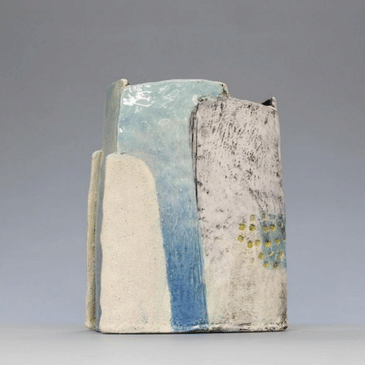
Hailing from the UK, Craig is an extraordinary ceramic artist and painter whose exceptional use of colour and surface design gives birth to truly awe-inspiring hand built sculptural works. Craig generously offered insights into his creative process, his unique style reflected in his treatment of surfaces, and his passion for colour (you guessed it, it's a colour podcast after all).
Not only did Craig and I engage in this exploration, but our friend Bob @bobacton also contributed to the conversation, exchanging exciting ideas tailor-made for the ceramic artists among us.
Experience the magic of Craig's creativity on Instagram at @craigunderhill7 and through his website at craigunderhill.com.
Eager to learn from the master himself? Craig shares his wealth of knowledge and experience in a hands-on course on slab building and surface decoration at The Ceramic School - https://bit.ly/craigunderhill. Let your creativity soar and become a part of this artistic journey.
[00:00:00] when you feel like suicide, you must be going down the right track. I think if it's sort of
[00:00:06] if it gives you that buzz and then I think I'm doing it right.
[00:00:14] Hi, I'm Bob Acton and I'm pleased to share my conversation with the award-winning sculptor Craig
[00:00:20] Andreill. Craig was born in Scotland and studied at Harold College of Higher Education,
[00:00:26] Portsmouth Polytechnic and then at the University of Eastern Illinois in the United States.
[00:00:33] He is an award-winning ceramicist and since relocating to West Cornwall in 2020,
[00:00:41] he continues to explore and discover the dramas in the beauty of the coastline as inspiration
[00:00:47] for his distinctive painterly, playful and elemental hand-built ceramic forms.
[00:00:54] He uses a variety of markmaking, layering and glazing techniques that he focus sense of place
[00:01:01] which we discussed during our conversation. I hope you enjoy this episode and you can find out
[00:01:07] more about Craig in the show notes. Welcome to Colour and Ceramics, the podcast for Ceramic
[00:01:16] Artists who want valuable ideas about using color from leading artists and world class experts.
[00:01:23] Here's your host Bob Acton, a sculptor and ceramic artist who's fascinated with color
[00:01:28] and help otters sculptors and artists use color in their work. Tune in as he talks with
[00:01:34] this guest about color techniques and the impact of color on people and art itself.
[00:01:40] Craig, thank you very much for joining us here on the Colour and Ceramics podcast. We're super excited
[00:01:46] you're here. Thanks, Bob. Thanks for inviting me. I'm looking forward to having to all.
[00:01:51] Absolutely, it's going to be great. I think because of course, I love your work and I love
[00:01:56] color and you really use color a lot in your work and not only color but I really like your
[00:02:04] use of texture and different ways to finish your pieces and so we'll learn a lot about all of
[00:02:10] those sorts of things here today so super glad we can have this conversation.
[00:02:16] Great. Yeah. I'll include our client joy talking about my work. So I'm calling people too.
[00:02:21] That's perfect then. I know that you've been doing this for a while so I wondered if you could
[00:02:27] share with the audience a little bit about your journey like with Gacha here today.
[00:02:35] Gosh, well it's starting several decades ago. I went to university when I was quite young
[00:02:44] and started ceramics. I've been out with my very early 20th. In fact, I was probably still a teenager
[00:02:49] when I was at university and then having left university there was a period where I wasn't
[00:02:56] well, I was trying to do my work but I was also trying to earn a living and things were very slow.
[00:03:02] Probably for about 10 or 12 years until gradually opportunity started coming up and
[00:03:11] I was making my work more and more I'd better set up and I suppose
[00:03:19] teaching has been a big part of what I've done as well. I only do my own work drops now.
[00:03:25] I did teach in a college for quite a while and that helped financially but now I'm sort of
[00:03:30] relying on the income from making my work and it's been exposed. It is my life now.
[00:03:37] It's a really important part of me and my identity. I hate to imagine not being able to do it.
[00:03:45] Yes, absolutely. I think it's awesome that you're able to earn a full-time living
[00:03:53] being a ceramic artist. That is great. It's not easy and funnily and I was just thinking this
[00:04:02] morning but it's a bit of a... There's not a lot of difference between succeeding and not succeeding
[00:04:13] and I think there are very good people that maybe don't manage to do that.
[00:04:18] And I feel I feel as opposed, I've only been able to do it because I've worked at it for quite a
[00:04:23] long time. I suppose though you could work at it in the wrong way and still be unsuccessful.
[00:04:31] So what is it that you think that helps people be successful?
[00:04:36] I think it's quite interesting when you get a bit older, you can reflect on that and I think
[00:04:43] it's a blind determination. And also a little bit... I was talking to somebody else about this
[00:04:50] and why we go. I feel I've got this high sense of responsibility. So when I went to university
[00:04:59] to do ceramics, I felt at that point that I was almost saying I'm going to be a ceramic artist.
[00:05:06] Now it took a long time to get there but I felt I almost had a responsibility to do that.
[00:05:11] And I sort of stuck with it and there's lots of occasions where I could have given up or maybe
[00:05:19] even become a painter or done something else in the creative arts. But I just felt I had to stick with it.
[00:05:25] In my mind, I've got said that that's what I was going to do. So I think I'm going to put it
[00:05:33] in. I can see that I was talking with somebody the other day who has gone into creating a studio
[00:05:41] where he rents out space to other people and then that has consumed his energy and his creative mind.
[00:05:50] And so he's not using doing so much work anymore in the studio. He's, I guess, being a manager
[00:05:57] of the state or a building. So I see what you mean by those moments.
[00:06:02] Well, as I said, I did a lot of teaching at a college and that was quite, that became really
[00:06:09] quite difficult to do both well because my work opportunities for making my ceramic work with
[00:06:17] were coming along. And I felt I was having to say no or put them on hold because I was involved
[00:06:23] with teaching and when I was teaching, there was a high standard that was expected. So I was trying
[00:06:30] to do two jobs. You know, really well but it was, that was very demanding. And in the end, I decided
[00:06:41] I need to give on my teaching in order to pursue becoming a ceramic artist and just do this.
[00:06:48] Just do one thing well, but I was trying to do two things well. And I know many of the pieces that you
[00:06:54] make are 3D and sit on the table like a vase or those kinds of things. And I also know that you do
[00:07:03] some painting. Do you make ceramic pieces that hang on the wall like a painting?
[00:07:11] I do make ceramic pieces at home on my wall and I know it's a visual thing,
[00:07:14] this but there's a few behind me up there. But yes, I don't make many of those. I do paint and I do
[00:07:23] make 3D and most of what I do creatively is making 3D ceramic forms and then they're pretty much
[00:07:31] always best or for, but not functional. And I see them really as being painting as made in 3D.
[00:07:38] That's how I go about thinking about them, how I go about doing them. It's a very painterly approach.
[00:07:48] Right? So that the clay itself becomes the canvas in lots of ways.
[00:07:56] Yeah and it's, and I do paint and I paint it on canvas, I paint it on board, but I always
[00:08:02] come back to ceramic materials because they've got such a richness that I feel I can't really get
[00:08:09] with paint. I think just the possibilities are so just endless with ceramics. The ways you can use
[00:08:17] different ceramic materials in combinations in different states of dryness or wetness.
[00:08:24] I think that continuous exploration of materials is something that really keeps me interested
[00:08:31] and brings me back to working ceramics. The good thing about painting is the instant
[00:08:41] feeling of putting color on and that's the color you're going to get. Ceramic has always
[00:08:47] this delay in putting material on and then in your mind's dark, you are thinking about the color
[00:08:55] you're going to get, but you only know later on when it's been fired. I don't get frustrated
[00:09:01] but why not? But what I do, I do like EVGC of instant color. It is certainly true with ceramics
[00:09:09] that there's a long period of time between the idea and the end product typically. You've got
[00:09:17] not only make your clay or use the clay then you have to let it dry then you have to be
[00:09:21] skin typically or fire at once and then fire it again and so depending on the materials as
[00:09:28] you've said sometimes what comes out of the kiln can be a bit of a surprise.
[00:09:33] Yeah, there's always quite enjoyable really but that's not knowing completely what's going to
[00:09:42] happen. I think I've got a very good idea about what material we're going to do. But when they're
[00:09:47] in combination and when they're layered on top of each other you only really know what you've got
[00:09:52] when you open the kiln, when taking a work count and then examine it and look at it and live
[00:09:56] with it for a while. So yeah, it's unlike painting in that respect. But the other thing about
[00:10:04] the other reason I prefer making ceramics is that it's the 3D quality of it as well. It's
[00:10:09] making marks, it's not just making marks on the flat surface, it's making marks in combination with
[00:10:16] 3D forms which literally adds another dimension. It's thinking about how lines go around something
[00:10:23] and round edges and how shapes can sort of jot ends up before and I just even just talking
[00:10:30] about that, you know you can feel your mind buzzing with that sort of visually excitement that
[00:10:36] you can get through ceramics and making 3D forms and painting marks together. Yeah, can you tell us a
[00:10:43] bit more about that? That's pretty interesting about how you think about and I can I could feel
[00:10:48] your excitement here as we're talking about it. Can you tell us a little bit about how you think
[00:10:53] about lines and shapes and so on, going around the 3D piece with our song? Yeah, how I think about it.
[00:11:07] That's quite tricky actually. I think it's just it's very immediate actually. It's part
[00:11:13] of spontaneous approach but there's also some planning so I do draw in sketchbooks and I think
[00:11:20] a little bit about what I'm making before I make it. But then as the ceramic piece evolves,
[00:11:26] it becomes something different to the little plan that you had at the initial seed that was in
[00:11:31] the sketchbook it sort of grows into its own thing. And I just think when you're building this
[00:11:40] form in front of you that you've got to I just enjoy turning it around and seeing how marks go
[00:11:46] around the one side to the other and the and the steps that you get in the rim and how one color
[00:11:53] can be up close to another one. It's just a real enjoyment of the actual doing of it.
[00:12:00] Yeah, that's that's the moment I really like as being in the studio and putting marks and textures
[00:12:06] onto clay. It's very spontaneous for you. It sounds like that you do do some sketches and
[00:12:13] some thinking about what it might look like but then when you've got the brush in your hand,
[00:12:18] that's when the sketch kind of disappears a little bit and the piece emerges out of the clay
[00:12:25] and the work. Yeah, absolutely because and so I'm building this piece of work and something
[00:12:33] might just suggest itself. As I'm making or as I'm thinking about color and then I can just
[00:12:39] visualize something in my head and I think oh yeah, I'm going to do that so I get excited about
[00:12:45] I'm going to make a brush mark, I'm going to use these I just suddenly get this realisation of these
[00:12:51] two colors like work well together. There's a lot of time in the studio where it's someone
[00:12:57] saw me making their work. I'd be standing there doing nothing it looks like but all the time
[00:13:03] you're trying to visualize in your brain you're thinking about what's going to look like if I do this
[00:13:09] what's going to look like if I do that what will these more of that color with this texture
[00:13:14] of like and I think that that sort of creative thinking is really enjoyable. I love that and
[00:13:23] there's a lot of time spent doing that. I often say that the initial doing of something
[00:13:30] can be done very quick and some of them are a second to make it the market but it might have
[00:13:36] taken me 10 minutes to think about it about the gesture that I'd used to make that mark or the
[00:13:42] two I would use or where at point my end of finish, but the actual doing of it can be very
[00:13:51] quick and there's a lot of kind of but it's not just planning it sort of always practicing
[00:13:59] that gesture in your mind before you actually do it. It's almost as if you visualize it on the
[00:14:06] piece before you make the mark and you could do that in multiple different ways until in your mind
[00:14:14] you settle on something that you feel comfortable with and then you make them.
[00:14:18] Yeah and sometimes unconsciously I find myself practicing as if I have a brush in my hand
[00:14:25] and I'll sort of go up to the piece of work and make a mark. As if I was doing it,
[00:14:31] no always like a practice this rhyme to think oh yeah it would feel like that if I did that or it
[00:14:35] would feel like that if I push a bit of texture in that. It's interesting as you talk you know
[00:14:42] my question earlier was how do you think about things and really you're thinking in terms of
[00:14:46] emotional reactions to your work it sounds like. You're wondering how you might feel when you
[00:14:53] move your hand in a certain way or somehow some of my pop out visually for you. Yes and that gives
[00:15:01] you a bit of excitement. That's the thing that when you feel that excitement you must be
[00:15:06] must be going down the right track. I think if it's sort of if it gives you that buzz
[00:15:11] and then you then I think I'm doing it right. Having said it doesn't always you know there are
[00:15:19] I always think it's important to try and get across that there's a lot of
[00:15:24] failures in the studio as well and not everything is a success and not every time
[00:15:31] I go into the studio I'm able to do what I want to do sometimes I'll spend half an hour an hour
[00:15:39] and I think it's just not happening today and I just sort of have to leave it. And
[00:15:44] then you know on another day the time will just pass without me sort of realizing and I think oh yeah
[00:15:50] that's good I had a good day it's complete mess I've got everything out but amongst that the
[00:15:56] recent pieces of work I think yeah these are okay. Yeah absolutely I really resonate with what
[00:16:02] you're saying because I think over the years I've learned to trust myself so that when I'm down
[00:16:09] in the studio and it's not working I can let it go. I think in the past I wouldn't try to stick it out
[00:16:15] and stay there when it wasn't working sounds like you're the same. Yeah I think that's
[00:16:21] so that's very true you do trust yourself and I think I always go to this studio with the hope
[00:16:27] that I can still do it and I spoke if if I can then yeah I know maybe the next day it will be
[00:16:35] okay again. Yeah yeah for sure but that I think also it sounds like that from your perspective
[00:16:43] it really is important to understand the technical pieces behind what you're doing so that that
[00:16:50] you're able to have that freedom. Does that make sense? Yeah I think it's about understanding material
[00:16:58] and what you can do with them and how they behave. I think I relied on that more than I
[00:17:06] realized. I do realize it now but maybe in the past when I was young I didn't I didn't know
[00:17:13] I was relying on that knowledge and the more you you more the more you make your work and
[00:17:18] what you're working with these materials the more you realise their potential how they're going to
[00:17:23] pay you what you can do with them. So yes I'm understanding that the materials allows you to
[00:17:30] allow you to push big sort of boundaries of creative advice. Yeah for sure because if you don't know
[00:17:38] your technical piece you don't know the materials that you're talking about then you're an
[00:17:43] ultimate vision may or may not turn out if you're not using them correctly. Absolutely and particularly
[00:17:51] with ceramics because as we were just talking about you've got that delay in finding out whether it's
[00:17:57] worth if you do something on a painting you can see pretty instantly whether that's worked or not but
[00:18:03] in ceramics you can invest a lot of time going down wrong route or spows and then
[00:18:10] and then you find out once it works we find that it didn't do what you wanted. Yeah I'm interested
[00:18:17] in how people practice often you know you were talking about instantly kind of practicing a gesture
[00:18:23] that your or mark you are going to make on it and and I know lots of people in the studio keep
[00:18:30] pretty meticulous records about using this particular slip or glaze or combination. Do you do that
[00:18:38] are you a person who tracks that kind of stuff? No I don't know at all I think that's I find
[00:18:45] quite off putting really bad delay that you can have when you start recording and and weighing
[00:18:53] out and measuring but I think I do have that record but it's in all of the work that I've made
[00:19:00] so for me it's quite important to have pieces of work around studio and they they themselves remind
[00:19:07] to me about you know what happens when I use these two materials together or I'll just slip
[00:19:13] in this on go or that clay body and that's over whatever and so so that record is in in my work.
[00:19:23] So you keep a record. You keep a record you just don't write it down.
[00:19:29] Yeah it's just all around with that record yeah yeah I often refer to pieces of old work for
[00:19:37] for maybe ideas so you're sort of progressing an idea from a piece of work from the past
[00:19:45] sort of into something new and so this I think one of when people ask you know what
[00:19:51] whatever your main influences are got lots of different influences but but actually old
[00:19:55] the pieces of work are important influences as well. There's often something I feel like
[00:20:01] I can pick up on an developer that I have enough of those the reference of old work around
[00:20:09] very clock very core so what is inspiring you today what's exciting you what's
[00:20:17] getting you out a bit in the morning with respect to clay.
[00:20:21] And I just want to say any day actually that's going to go to work in this year when
[00:20:30] the weather is quite nice because we're sort of going through winter now and I'm really looking
[00:20:35] forward to sort of the life of things but I think that I always say talk about the landscape
[00:20:41] and where I live being important to the it's an important influence on my work and this is again
[00:20:50] again it's something with age that you realise that it always has been even when I was a student
[00:20:56] I didn't realise I was doing it if I was making work there it was influenced by my surroundings
[00:21:02] and my landscape that I was living in London when I was a student and then I went to
[00:21:09] porsmart for city on the South Coast of England which is not naval at city and I was influenced
[00:21:15] by all the maritime buildings that were around. Then I moved to the middle of Zeninggrund
[00:21:23] and really enjoyed coming to Cornwall which is where I live now and Cornwall is just a very
[00:21:29] beautiful place but it's got this sort of sense of human history within it you can see
[00:21:37] where it's sort of marks that I made in the landscape by people that lived here thousands of years
[00:21:44] ago and you can still see that and I love that so it's sort of connection to mankind as God
[00:21:53] human kind has got to the landscape that's very evident in Cornwall so the landscape,
[00:21:58] my surroundings and knowing my place in my surroundings is really important to my ceramic work. I
[00:22:04] love just going out to walk or running and even just driving me I drove from the shop this morning
[00:22:11] and it was quite looking forward to the trip because there is a road close there was a
[00:22:17] diverse and it's not how to go a different way and I thought it'd be quite exciting just drive
[00:22:21] down that lane because you see the fields from a different angle and you see different things
[00:22:26] in the fields, different colors in the fields. So it's not just being in the landscape is my biggest
[00:22:34] influence. I can see that in your work and when people hear this podcast and go to find you
[00:22:41] on Instagram or on your website they'll certainly see what they're talking about with this
[00:22:47] with your second to this notion of landscape because it's it's really true. Now you've got some
[00:22:54] really interesting pieces the work that you use has lots of edges on it I might say or different
[00:23:01] pieces that are moved together. Can you talk about the experience you have in applying color
[00:23:11] and surface decoration and yet listening to the forum of the piece. How do you balance that out?
[00:23:20] Well it's I've been aware for quite a while but I want my when I don't want to be making
[00:23:29] 3D forms that I then decorate and the term decorate is one I don't like that word. I
[00:23:37] shouldn't use it again because I feel that the form and the surface should be one and I'm always
[00:23:47] trying to find ways of integrating mark making and form together. So often I you talk about edges
[00:23:55] I'll cut pieces out of a form and maybe stick another piece back in and that piece that I
[00:24:04] stick in becomes a shape on the surface but it's also it also interrupts the form in some way
[00:24:11] so it's sort of combines very closely form and surface together and I think I think ceramic is
[00:24:20] quite unique in many ways that it is it is about form and surface paintings about surface generally
[00:24:28] sculpture is often about form and ceramics combines the two together but I think it is important to
[00:24:36] combine the two together and I don't actually be separate. I don't think we should be looking at sort of
[00:24:40] beautiful forms with interesting decoration. I think I want them to be like really locked together.
[00:24:47] I want them to be the same thing. So the people are not noticing the decoration they're noticing
[00:24:53] the whole thing as a combined unit. Yes, yeah often I'll sort of cut a piece in half and
[00:25:02] one half might be one color and one one half might be another color so this that sort of
[00:25:07] interruption is made into the form by cutting it but that but it also becomes this sort of
[00:25:13] part of the surface because you've got these two different halves working together and then the
[00:25:20] that's sorry the idea of that is again I've talked about sketchbooks. I've really enjoyed doing
[00:25:29] collage work in my sketchbook finding bits of bits of paper bits of going through the recycling
[00:25:36] box and tearing up bits of card and newspaper and and sticking them together in my sketchbook
[00:25:42] because it almost feels like a building with slabs of clay and these different sort of shapes and
[00:25:50] textures and combining them together in quite a playful way that might then go and suggest a 3D piece of work.
[00:26:00] Right, cool. What kind of color application do you use? Are you using slabs or underglazes?
[00:26:07] Can you type a little bit about that? Yeah, I think what what I always say is I call it
[00:26:13] I always call it a mixed media approach because I'm using slip that's made that that I mix up but
[00:26:22] also slip that I made it make out of clay bodies if there's a clay body that I like then I can
[00:26:27] I can turn it into a slip and then use that on the surface. I use ongoing a lot as well
[00:26:33] and a lot of people ask me what about what is an ongoing but it's very similar to a slip. It's just not quite
[00:26:38] dry. There's a slip I use underglades colors, I use pastels and underglades pencils and I use
[00:26:48] glazes that are normally fired to comb one but I also have a glaze that I fire too much
[00:26:55] lower temperatures as well. It really is quite a mixed media approach and that sort of comes
[00:27:03] back to we were talking about like knowing your materials. I like the knowledge of what
[00:27:12] at range and materials, what you can achieve with that range of materials at different temperatures.
[00:27:20] And I always when I'm doing workshops I always talk to students about not just what the material
[00:27:31] is that you're using. Supposing we're talking about an ongoing, I use this basic going on
[00:27:35] going quite a lot. It's not just the material that's important, it's important to think about how
[00:27:42] you apply that onto the surface. So the obvious thing to do is to get a brush and put it on and I
[00:27:48] do a lot of that but when you then you can think about what type of brush and then you can think
[00:27:54] about what consistency is the on the water bath, it's very very watery but then what about
[00:27:59] it's very very thick. What about if you let it dry out into a then mash it into a powder
[00:28:04] and sort of put it on with your hand. What about if you fire a little bit first to then grind it up
[00:28:10] and then embed it into the surface. So it's not just a matter of what other materials,
[00:28:19] it's about how creative can you be in thinking about how you put that material onto the surface
[00:28:25] of the piece of clay. The experimental life of Craig Underhill. Yeah, yeah and that's
[00:28:33] that's when I went over in the studio, that's when I've had a good day because I feel I'm not
[00:28:37] just late in my work but I've been a big experimental as well. Yeah, yeah I see a big smile and
[00:28:43] your face when you're talking about that so to me that's really something that you would encourage
[00:28:48] your students to do and you do yourself on a regular basis. Yes, I think it's I often get asked
[00:28:57] what materials do you, I always think it doesn't matter what materials are used. That's not the
[00:29:02] important question. How do you put them on surface of masters? And of course there's a million
[00:29:08] different ways to do that, isn't there? Yeah, yeah and then you can flick it through it. Pour whatever.
[00:29:14] Yeah, yeah, yeah, yeah, yeah it's funny when you go to your ceramics class first I remember the
[00:29:20] first one I took I thought all you did was dip your piece but now I realize like you,
[00:29:25] you can do it in a myriad of different ways. Yeah, I often when I when I meet you
[00:29:32] and they quite often say that what they seem to come with ideas that there are rules
[00:29:42] about how you use a slip or a long go. And I think it's in ceramics that does seem to be rules
[00:29:48] that have been said somewhere along the line. You have to sort of question that, you should
[00:29:56] only have rules where they need it. I think I think those you know where the rarer rules
[00:30:01] they need to be challenged. Why can't I slip on a biscuit by it? And try it, you know,
[00:30:09] see what happens. Yeah, for sure. I suppose the rules maybe came out of functional where
[00:30:14] where there are some rules about safety of pieces but then once you're beyond that or when you're
[00:30:20] doing sculptural work like you are a non-functional work then the rules kind of get the window.
[00:30:27] Yeah, that's true. Yes, I suppose when you need to depart to function and it had to be water proof
[00:30:34] then maybe you do need rules. Yeah, you need a few of them absolutely.
[00:30:39] Do you have any particular color combinations that you like that you work with?
[00:30:45] And I get excited about thinking about combinations. That varies, that is quite
[00:30:53] changeable. I kept seeing pink and green together in the environment and sort of spring time
[00:31:04] here and for some reason those two colors were sort of growing or could be seen at the same time
[00:31:12] and I was quite excited about that pink and green combination at one time
[00:31:17] and then there was another occasion a few years ago where I was walking in a bite harbour
[00:31:23] and there was this yellow rusty boat and some of the colors and that yellow rusty boat were just
[00:31:28] amazing because you had the orangey colors from the rusty iron but it was painted yellow
[00:31:34] and that sort of depth of different yellows. But as well as that there was a little red plaque
[00:31:41] on the side of both so you had all these rich yellows and then this little spark of red and
[00:31:48] I think that's it. You know visually it was really something. So then red and yellow were
[00:31:54] a thing for me. So it's almost like I see things in the landscape and then
[00:31:59] and then I it's almost like then you have permission to go and use it because you've sort of seen
[00:32:03] it somewhere. I mean that notion of being excited about color or surface
[00:32:11] is really really important for you and your work. Yes it is. I do get a bus from
[00:32:21] I kind of you know you can't really explain what that is but it is quite exciting and I think
[00:32:25] color is exciting. It does give you a buzz or a lot of people and as I say when I'm in the studio
[00:32:32] visualise sometimes I'll be thinking of this part going to be yellow, it's going to be yellow
[00:32:36] and then I just visualise this little pink up there. It's like your brain buzzers
[00:32:41] because you've just put this yet you just seen in your mind's eye yellow and then
[00:32:46] not bit of pink and you think well how if I'm so excited to get there you do it.
[00:32:52] Yeah absolutely. So if you could think about a person
[00:32:58] I don't know what stage of their career somebody is wanting to make a change or maybe somebody
[00:33:02] knew to ceramics. What kind of advice would you give them about how to
[00:33:08] afford in the best way? It's supposed to depend on what your goal is whether you're trying to do it
[00:33:15] to become a sort of professional or you're doing it because you enjoy it. I think I mean maybe
[00:33:22] that's an important thing is to keep enjoying it, make sure you're keeping enjoying it.
[00:33:29] I think when I left the university I suddenly had this sort of dilemma that I thought
[00:33:35] I've got to earn some money from making ceramics. So me and Emma my partner we rented a little
[00:33:45] studio and we started making throne slipwear and we had very sort of limited success selling it.
[00:33:54] At the same time I managed to get a bit of work teaching and that you know financially
[00:33:59] that helped and it meant that I was free to kind of do what I wanted at the studio and I started
[00:34:04] making my own work rather than work I thought I could sell and I just had more success with the work
[00:34:11] that I was there was genuine than I was having with the work that I was sort of trying to
[00:34:18] make to fulfill a market I didn't really know is that I just saw you know be honest and just make
[00:34:25] what comes out of you and people will appreciate that. That's definitely you know if you want to
[00:34:32] get somewhere with you work make once in your heart and and people will respond to that.
[00:34:40] It says if there's an energy within the piece that's put into the piece from the maker
[00:34:47] that is received by the other people or the people who are viewing other touching it.
[00:34:55] It's amazing because you can't fool people as well that will come across
[00:35:00] where they are trying to put it across or if you try to mask something else that people will see
[00:35:07] your work for what it is if it's a genuine response and it's just the way that you
[00:35:12] I suppose you talk about it in the way you present to people know whether that's a genuine piece of
[00:35:18] work that's come out of you and that's what people want. They want something and they want a piece
[00:35:23] of work that tells them something about how you see the world. Really important. What is it that
[00:35:32] you're trying to communicate with your work? Yeah, I don't really know what I don't know that
[00:35:44] and I think about that because I could say well it's about my experience in the landscape
[00:35:52] but I suppose it is but they're not literal pieces of work. I don't know, it's just some
[00:36:00] sort of enjoyment about how I see the world. I think that might sound a bit vague
[00:36:06] but I think that's all I've got on that. But I think that's really true. I mean think that I'm
[00:36:13] picking that up when I'm talking with you it's your joy of making the work that's influenced by
[00:36:20] the landscape but really you're sharing your joy with the world. Yeah, yes it is. I mean
[00:36:28] you could get quite sort of deep about it and it's a joy of life and being alive as well
[00:36:36] and just thinking about being on the on this planet and being aware of everything that's
[00:36:43] around you. It's about being human isn't it, about being human being alive. Absolutely and I think that's
[00:36:50] what people resonate when they we were talking about energy a second ago right? I think that's what
[00:36:56] people relate to when they see your work. Yes, I think I think because maybe the people that
[00:37:03] buy my work, they can't that they couldn't make maybe a ceramic piece of work that
[00:37:11] fulfills that and excitement that they got but maybe they can see it in my work. So so they can
[00:37:19] relate to it and it's wonderful when people do see my work and they buy it because it's almost like
[00:37:26] we're communicating on some level that is very is you can't have that in a conversation.
[00:37:32] If I put my work out in front of people people come to look at it and they go, oh I love that
[00:37:37] I'm going to give you my money for that then you've connected on a real basic but so
[00:37:46] fundamental level it's really quite it's quite something it's quite it can be quite new thing
[00:37:52] really many ways. Absolutely it's quite visceral. I was thinking as you were talking I don't know
[00:37:59] I am doing this but I was thinking of my living room and a table I've got in my living room and
[00:38:05] I thought you know if I have a piece of yours on that table in my living room I've got a bit of your
[00:38:11] joy sitting here with it. Yeah yeah yes absolutely and that's what people have they take a piece of
[00:38:18] work and they have it in their life and therefore they've got a bit of how I see the world
[00:38:25] then that helps them how they see the world. It's sort of always made you confirm something about
[00:38:29] how they they see the world but they couldn't communicate it in a ceramic object or a piece of
[00:38:34] visual art but I could for them so so it's say something to them. What a perfect way to end our
[00:38:42] conversation here Craig. That's a great message for I think potters and artists is about making
[00:38:51] sure that your joy is being put into the piece that'll help you with selling your pieces it'll
[00:38:58] help you with connecting with customers and clients and help you live the joyful life that you
[00:39:05] want to live yourself. Yeah yeah absolutely yeah. When you're an introvert who enjoys
[00:39:15] working alone in the shed in this studio then you know but you also need that connection with people
[00:39:22] and then you can get that through exhibiting showing talking about your work. Yeah for sure
[00:39:29] you just have to manage it a little differently if you're an introvert versus an extrovert but
[00:39:34] for sure you do need that. Yeah yeah yeah absolutely. Hey thanks so much for being on the podcast
[00:39:41] here today I really appreciated you just been in the time with us and sharing some of your ideas about
[00:39:46] your work and I'm excited to see it in person next time I'm in the UK. Thanks very much Bob
[00:39:54] it's been nice to talk to you yeah thank you. Thanks for listening to the color in ceramic spot
[00:40:02] cast with Bob Act and his guests. Please help others find the podcast by subscribing to this podcast
[00:40:08] wherever you find your podcasts such as iTunes, Spotify, Amazon Music, YouTube or other pod
[00:40:15] catchers and don't forget to give us a review we'll see you next time.