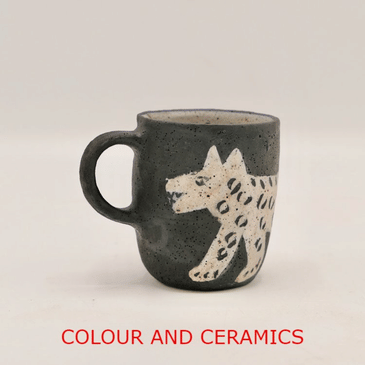
Bob Acton had a great conversation with Melissa Weiss about her work. Bob and Melissa talked about approaches to creative work, her processes of clay selection, colour and surface design (of course), and she had some wonderful ideas about her creative process.
You can find Melissa at her website https://www.melissaweisspottery.com/ and on her Instagram page at https://www.instagram.com/melissaweisspottery/
We hope you enjoy the show.
[00:00:00] I think putting ourselves in these separate worlds of what medium we're using maybe isn't so helpful.
[00:00:11] Like, I spend a lot of time now looking at things that aren't ceramics and it's a lot more helpful in my creative process than like hanging out with painters and talking to painters and looking at paintings and different art forms than just ceramics
[00:00:28] Because I think we can get very myopic in what we do and I think important to the ceramics and the context of art and other mediums.
[00:00:43] Hi, I'm Bob Acton and I'm pleased to share my conversation with Potter and author Melissa Weiss with you. She is a studio potter located in Asheville, North Carolina in the United States. Melissa digs her own clay out of her own land in northwest Arkansas.
[00:01:02] She turns this clay into a slip and screams the big rocks at, and then adds some dry clay, felt sparring sand. She uses a variety of methods to make her pots including wheels, pinched and slab constructed.
[00:01:19] We spent this great session talking about her journey in clay or work and her use of color in surface design. I hope you enjoy this episode as I really enjoyed my conversation with Melissa.
[00:01:33] You can find out about how to reach Melissa and where to find her book in the show notes and the show can always be found at colorinciramics.com. Thanks for joining us in your creative journey.
[00:01:53] Welcome to Color in Ceramics, the podcast for ceramic artists who want valuable ideas about using color from leading artists and world class experts. Here's your host Bob Acton, a sculptor and ceramic artist who's fascinated with color and help potters, sculptors and artists use color in their work.
[00:02:13] Tuning is he talks with this guest about color techniques and the impact of color on people and art itself. Melissa, welcome to the Color in Ceramics podcast to talk about color and surface decoration. Thank you, thank you for having me.
[00:02:29] Yes, you're most welcome, you know I really love the deep colors on your work and although this is an audio podcast. I'm watching you actually prepare some surfaces as we're having those conversations so that's pretty cool.
[00:02:47] I, you know, I really like the shapes on your pieces because they have such a bright energy to them and of course I'm a dog guy myself so I like your dog images but I bet you that cat people love the cats.
[00:03:02] I hope I don't disappoint you and I tell you they're not dog their horses. No, no, but I think they're left to interpretation because they're not realistic so it's fine. Okay that's good. I thought were horses and some of the stuff.
[00:03:22] So I'm looking forward to having a conversation with you about your work and your ideas and how you work on with color and surface.
[00:03:29] But you know, you know, I followed you for a long time and with your great work that you do really represents probably years of our work. And so I wondered if you could tell us a little bit about your journey kind of what got you here today. Okay.
[00:03:50] Well, I didn't discover ceramics in Tales almost 30 years old. I hadn't ever had ceramics in school as a kid so I'd never ever ever made anything out of clay and I had a baby and it was really, you know, hard stressful.
[00:04:08] So I took us around my class and really liked it and it was a nice way to take a break. And then I moved to Asheville a year later and my baby was one and I took another class at the community college.
[00:04:23] And like it, but one had more access to studio time so started taking classes at a community studio where I had access to open studio hours and just the more I did it the more I wanted to do it and I just loved how.
[00:04:41] Limitless it was and how you could explore the medium. And then I quickly realized I wanted my own studio because I wanted more space and I wanted to be able to experiment a little bit more.
[00:04:55] So I moved into a communal studio and then I started working with some local potters and learning how to wood fire and make glazes and I just kind of gave myself. Or kind of. Worked through an education with local people and some studios, but really it was just.
[00:05:19] Making I made a lot of pots and did a lot of experimenting and just kind of figured out what worked what didn't and.
[00:05:27] And then just went from there. I never thought it would be my job. I was doing it whenever I could, but I had a full time job in I worked in restaurants and bars.
[00:05:38] And then I was with my kid the rest of the time so when she was in school, I was in this pottery studio a little bit more. And then eventually. It just became what I did full time but it was that was eight years ago so.
[00:05:55] This was and I started making pots 18 years ago so for the first decade. I had I had another job and for the last eight years this has been my only job. While we're lucky that you're giving it your full all now, that's awesome.
[00:06:12] I guess I, you know, I did a little bit of research when before we had this conversation and one of the things that you talk about is how your family life growing up has is reflected in the work that you are doing now they want to keep it alive.
[00:06:32] If I have got that correct and and so I wondered what continues to motivate you today, what. What excites you about the clay that you're working with. So.
[00:06:48] Regardless, yeah, in my family, I'm the only person that makes things in my family just like a lot of artists like the true black sheep of. The one that was always doing something different and we didn't have any artists in my family and nobody in my family even.
[00:07:08] handmade things or we never went to museums. But my grandmother, yeah, she, she was an amazing cook and she is Sicilian so she would make amazing Sicilian meals every Sunday for the whole
[00:07:26] family and I never put it together until I started making pots but I just made so much sense because I that ritual and that had such an impact on me, looking back on it and so happy I
[00:07:41] had that experience as a kid. And so I often think of how important traditions are and then being able to collaborate with things like that. Like even now I feel like I'm collaborating with her
[00:07:56] by just making dishes that people are serving food on for their families and I love thinking about that because she died when I was only 14. But now what motivates me, I mean part of it is
[00:08:08] escapism when I get a little overwhelmed with everything I have this place where I can be lost in my own world decorating and making pots which is just I guess it just feels like a meditation
[00:08:28] sometimes or a way to like really work out ideas so I'm either like kind of escaping and not thinking about the world or listening to podcasts and books and like really thinking about
[00:08:38] the world that goes either way but both both this is a nice environment for both. And these days I'm looking at a lot of books historical books on and I have to class some are on like Greek,
[00:08:54] Roman and Arab worlds and the imagery and thinking a lot now about Palestine and what's happening and I think that stuff just comes out when you make art in ways that you don't even anticipate
[00:09:09] all the time. I was talking with somebody else the other day and he was talking about how the ideas come out in him and he's not even sure where they come from sometimes but when he really looks at it
[00:09:23] it's been something he visited or a place he visited years ago so I understand that yeah for sure. Oh absolutely I love the subconscious nature of how things just sit until they're ready to come out
[00:09:37] and you're like you don't even know is nowhere it's wrong but it's something that you have experienced. Yeah yeah now I know that you did your own play so maybe you could tell people a bit about that
[00:09:54] because probably most people don't do that. Most people at least most people that I know go to the store and buy their clay and and so you could tell can you tell us a little bit about that and how that
[00:10:05] affects what you do and how you think about your work? Sure okay so when I was using store bot clay for the first couple of years I was making clay but then people in my area there was a
[00:10:19] few people in my area that were using some wild clays and making custom clay bodies and I was really immediately just blown away and enamored by that experience because I guess I didn't really think
[00:10:33] about it. I didn't really think that like the clay in the bag was the same clay that could come out of the ground. I just had never thought about it and I was like oh of course and I went back
[00:10:44] I have some land in Arkansas that I bought with friends before I was a potter and I went back there to visit and realized the ground was all this red clay and so I took a bucket back to Asheville
[00:10:57] and spent I did not know what I was doing at all I asked questions and my friend Sean Irland had a recipe for his clay body so I kind of went off that recipe and plugged my wild clay in where
[00:11:11] his was and looked at some books and asked questions and kind of would make like different variations and then change it. Honestly I think the only reason I was successful is 100% luck and the fact
[00:11:26] that I didn't know anything because I didn't really know like all the stuff that could go wrong and I was more just like what could go wrong and it turns out everything and nothing did I just got lucky.
[00:11:38] So when I got to a point where it was a clay body of that I wanted to be able to throw with it but also handled with it even I wasn't handling too much back then I was doing some slab work
[00:11:51] and I wanted a clay but I had to make sure it was victified at the temperature I wanted to fire to which was cone 10 and that my glazes I was using would fit and that my biggest thing was
[00:12:03] that it was durable because a lot of the people I knew using some local clays the pots were beautiful but they were not super strong like not like diswear that you could like kind of treat
[00:12:18] like a little bit rough thrown through around a little bit it was like very chippy and I'm not the most graceful person and I didn't want to worry about breaking dishes all the time
[00:12:28] and also I didn't want to put functional dishes out in the world that were prone to chipping. So my clay body is really strong and that was really important to me so I came up with a recipe
[00:12:39] after a few months of testing different variations of ingredients and I've been using it ever since and that was almost the whole time I've been working with clay. I've been using this custom stone
[00:12:52] where that I made. So once a year I go to Arkansas and with my husband and we did clay, we did 2,000 pounds and since that clay I dig is 25% of the final recipe it'll make 8,000 pounds
[00:13:07] throughout the year and we make it in 1,000 pound batches. I don't think I go through 8,000 pounds anymore I make a lot less pots than I used to but that used to be how much I would go
[00:13:20] through for like the period of years where I was doing a lot of shows and really acting like a maniac that had a body that would last forever. That's a lot of the clay. It was too much but
[00:13:34] I don't work at that pace anymore and it's a lot better. Yeah, yeah, cool. Now did the clay itself the color of the clay I assume affect your choices of colors on your pieces? Well yeah so the
[00:13:52] clay I use is a very iron rich so the clay body is like very, very red and very dark. Now I reduction cool my pot so the clay body goes black but either way it's
[00:14:07] very dark so I started using this ash glaze a long time ago and it looked really good on the clay like when I was first developing the clay I wasn't really thinking about that because I didn't
[00:14:21] really know enough and I had some glazes that was using that looked good on the clay but then I started experimenting with slips and that would brighten up some of the glazes. So it was a nice
[00:14:34] it's a rich clay body and the iron comes through so it needs like either slip between a glaze or a really opaque glaze but I was never interested in totally covering up the clay body because I
[00:14:48] spent so much time digging and processing this clay because it's beautiful so I don't want to like totally coat it in a glaze where it doesn't come through. So the glazes I use are opaque enough
[00:15:01] to decorate and have it be bright but not so opaque that the aesthetics of the clay body aren't coming through. So I kind of look at it all as like little like layers that you can see through
[00:15:15] to the next to the inner layer so it's like the clay body and then if I'm using slip it's been you can see and then a glaze so you can see the slip through the glaze and the clay through the slip.
[00:15:27] Yeah yeah and your your work has a lot of rich colors in it is are those colors using slip or are those are glaze that you use on top of this lip.
[00:15:44] So most of my colors are under glaze so a lot of ceramics that I've learned I guess maybe over the years just like really loving experimenting but also figuring out that most of the rules
[00:16:02] or the things people say you can't do in ceramics are I would try because I'd be like you know you want to know like for yourself why you can't do it and most of those rules actually turned out
[00:16:14] not to be real so now I don't believe anything anybody says about what things you can't do in ceramics but one of the things that was the most exciting is the use of under glazes and maybe
[00:16:25] it's not so much they say you can't use under glazes on top of glazes but the fact that they're called under glazes I never really thought about them I always considered them like a
[00:16:37] low fire electric killed material that you used under glaze but one day when I wanted to start experimenting with color I a studio may not mind had some turquoise under glaze and I tried it I
[00:16:52] just like did what I normally did but instead of using the iron oxide I used to that and fired it and it was beautiful and bright and I was completely shocked I just kind of thought all the color would
[00:17:04] fade out and it wouldn't be anything so then I started experimenting with more under glazes and some don't work but a lot do and that kind of led me to just do more decorating on the
[00:17:18] pots because I had just more materials to use to decorate and that's one aspect I also use Mason stains in a lot of oh so I have a white sheenow that I use a lot and I make white sheenow
[00:17:35] and then I'll take some out and like add Mason stains so it's basically the same base glaze and then I can color them and then you can layer the sheenows together and then I do some things like I've made some low fire very low fire glazes with
[00:17:53] with um cobalt and then I have a green and they're low fire but I can use them on top of the glaze in the high fire if I use them as decorating they like to rip a little bit which is nice
[00:18:08] so just kind of trying to do a bunch of things that you're not really supposed to do to see what happens and so it's a combination I guess of oxides, glazes and under glazes
[00:18:21] I'm just I haven't really messed around with colored slips so it's not so I don't use that yeah it sounds like one of the things that's important to you is to be able to experiment and try stuff right oh 100% I almost always have something experimental in every kiln
[00:18:42] and that's like the thing I'm always most excited about to open the kiln and see I have a bunch of glazes going in my next kiln to experiment but that's one of the reasons why
[00:18:51] I've never been bored with ceramics and why I think it's so interesting is because the experimenting is limitless yeah do you have a specific color palette that you use or that you like to use for any particular reason or is it just what comes to mind?
[00:19:13] I do have very strong feelings about colors, but it's more about like what colors I don't like I never really thought about it before I guess but I guess I really don't like the color
[00:19:26] of purple because you use it at all and I have no interest in it but I think I'm more interested in like color combinations and that's really fun to me I do a lot of drawing at home with
[00:19:39] like colored pencils and crayons to work out like color combinations or like color studies and that's I think that's the most interesting part is like putting colors together that I think work really well together yeah and that you said you do at home with some practice
[00:20:00] yeah I really like to draw and do that kind of stuff but I'll do that to like work out some colors but also the it's nice to do it directly on the pots too and just see because even if
[00:20:14] you do it on 2D it's not always the same. Yeah yeah for sure and of course once you get it in the kiln you never know what sometimes it's going to come out like so you gotta try it there too.
[00:20:26] Yeah yeah yeah yeah that's a good way. How do you balance the use of color with other elements of design like form or texture in your work? Yeah that's a good question I think about that all the
[00:20:43] time and I think about how important it is to experiment and change things because what that does is it puts you on a new direction or path and it ends up changing the way you think about all
[00:20:58] the aspects of what you're doing. So that's been like something I've noticed when I started reduction cooling it led me to like use different glazes and when I was using different glazes that lens need to different forms and when you have different forms it lens different
[00:21:22] decorations. So everything kind of you change one tiny thing and you kind of never know what's going to happen because you start following this thread of change and it leads to so many more exciting and just so many more doors open up. So now because because I decorate
[00:21:40] so much more than I used to and make more narrative pots and thinking about that when I'm making so I think a lot about like the planes of like say a plate where the bottom could be like the
[00:21:53] main like scene and then like the sides of the plate are like a different plane to decorate and then like the rim. So it's changed how I make forms because I want different planes to decorate
[00:22:05] on and that's been really fun and interesting so then they kind of start playing off of the each other and you start thinking about the decorating process when you're making pots and when you're
[00:22:15] decorating you start thinking about the making and what you might do next time so you can fulfill this decorating dream in the way that you have in your head. Yeah that's cool and I guess the
[00:22:28] thing that you also talk about is that you're always experimenting, always changing that it's not some static thing that you're making the same shape and the same color and the same design over
[00:22:41] or an over and over. Oh I would have never made it as long and ceramics if I made the same thing over and over. I had like a little ego meltdown when I was making black and white pots for years
[00:22:54] and they were selling and it was successful but I was so bored and just creatively stunted and didn't even realize it until one day I knew it was bad when I opened a kill and it was a
[00:23:07] and quote successful firing like everything came out how I wanted but there was like nothing exciting or new happening and I just like panicked I was like is this it for me? Am I going to be one
[00:23:18] of those people that just like is creatively dead but just making the same thing forever and I like had to totally like flip it on its head and that's when I started experimenting with color
[00:23:31] and just like really wanting to not make pots that were predictable to me. Yeah yeah but when you experiment do you experiment in a way like I remember I was a psychologist for many
[00:23:51] years and one of my teachers talked with me about how to do experiments where you change one variable and then you would change another variable and so you would do things rather slowly but very methodically is that the approach that you take to experimenting with color or
[00:24:08] surface? I love that in this application because it's true but I'm always fighting it because I'm impatient and I want to I want to make a thing and I want to like see what happens now
[00:24:22] but this is a very funny moment in time because that's how it's been I have a big gas kill so when I want to make a new glaze or test something I have to wait until I fill the whole
[00:24:33] kiln which takes about three weeks to a month so I've worked for a month well I used to take three weeks to a month now it's like four to six weeks so I make fire the kiln
[00:24:44] get this test back and then you know in ceramics you make a test a small test of something but you get some information but it's not enough information to go for it I mean we've all done that
[00:24:56] I think just went for it and bad things can happen because one little test it either could be an anomaly or it just wasn't enough information so then I would have to further up with a additional test
[00:25:07] and then that's four to six weeks to see that process through and then who knows you might have to tweak on that for a while but by the time you get to use something that you're testing
[00:25:18] sometimes it can be six months or more and that was hard for me because I want to be faster in my tests I want to be able to like move through things and do new exciting things all the time
[00:25:31] so recently I found and I still can't believe we found this because I live in an area where there's a lot of potters so whenever there's a used equipment there's a lot of competition for it
[00:25:41] but we found a very small gas kill and on Craigslist it's like the thing I didn't know I needed but it's small it'll probably it probably would hold like 50 mugs I can't remember the interior
[00:25:54] square footage but it's going to change everything like I'm going to be able to put a test in there and then a week later do it again or like two weeks later I guess so instead of six months
[00:26:07] I might be able to start realizing things in like four to six weeks which that could be my kryptonite where I don't make potteny more and I just go down the rabbit hole of testing forever
[00:26:21] but I think it's going to be a good thing yeah you got to have those little tests over and over and so I guess what you're talking about is also having patients right you need to be able to
[00:26:34] be excited about things and want to move forward but also have some patients to be able to get through that I know I think it's pretty ironic that ceramics is what I ended up with because when I think about it
[00:26:45] I'm a pretty impatient person and it's funny to have found myself in a medium where you can't do this work it is all about patients so I've been forced by the universe to learn how to be patient even though
[00:27:01] I still don't love it yeah I know when I go down into my studio often I say to myself okay Bob just today let's be patient so I know it's going to ask you about whether you had a
[00:27:14] challenge in your work and what you did overcome that but I wonder if having patients is one of the challenges that you have yeah yeah I guess I didn't really know I needed patients to do this I just like
[00:27:32] at first I was it just everything so slow but I think part of like making the clay is I'm involved in the whole process so that's been kind of nice because if I there's so many steps to what I do that like you can kind of
[00:27:51] ignore the fact that like you don't get to see the finished pot for so long because you're so immersed in each step so it's like the clay stack and then the making of it and then the decorating and then the firing
[00:28:05] so it's like you're just sitting around waiting you're and that's I think like what's so important about like really loving every part of the process is that has made me patient because
[00:28:17] I'm not I am you know impatient to see results in a way but like since I'm enjoying all the steps to get there it doesn't feel like you know waiting on liner something like that.
[00:28:30] Hey um I was gonna ask you you know I look at your work and I see that some of your work has a message in it and I wondered whether you feel like the colors that you choose to use influence the overall
[00:28:45] mood or the message of your work. What's the message? Well I've seen some things recently about Palestine for example. Oh you mean like specific message? Yeah oh okay um sure uh
[00:29:03] I guess there are some things that are more specific the colors I mean when they come to the some of the stuff by Palestine I was yes the colors were significant because they were the colors of the flag
[00:29:15] um and things like that but I think color itself is a message like pallets I mean even if it's not a direct bell it out for you message color evokes feelings and I think colors very personal
[00:29:37] and so it would mean something different to everybody but it's still a message just a message rooted in feeling which I'm putting my feelings under these pots but somebody else is gonna be projecting
[00:29:53] there so that's kind of what I like about using color is how adaptable it is and how people are going to get different meanings from the work that I'm putting out there. I talk to one
[00:30:11] author who feels that there's always one mug or one piece at each show that doesn't sell that people pick it up and look at it and think about it and then put it down and when finally somebody
[00:30:25] buys it she always goes over and asks that person so tell me about that thought what is it that attracted you to that particular pot and so it's you're right everybody's got some individual reactions to each of the pieces don't they? Oh absolutely I mean that's hopefully
[00:30:43] forever that's our that's like hopefully we're all like getting things because of what they're meaning to us and not because there's something we think we're supposed to like but it is funny how
[00:30:56] we play games like when people oh I think we all do it but I'll have like my absolute favorite pot and then when somebody buys it I'll be like that was my favorite pot and people think I'm just saying
[00:31:06] that and I'm like no it really was and then I'll pick the next favorite and I always like I always have to have like my favorite I don't know why but I'll be like that's the one and then someone will
[00:31:17] get it and then it'll go to another one but pretty funny that's great he can you tell us a little bit about your book and build oh sure that so at this point I think that book is five years old
[00:31:34] yeah that was a surprise I got an email of somebody asking me if I would be interested in writing a book on handbuilding and I my initial reaction was to say no because I was like I don't not a right of book
[00:31:49] um but I asked my friend he's really smart that I've known almost my whole life I was like I got this email which I say and she's like you you say yes what are you talking about and I was like oh so it's
[00:32:03] it's because of her I said yes and I was really glad I did it it was an interesting process it's really interesting to to try and teach people a visual thing that you're used to showing them
[00:32:16] but just in words I mean obviously there's pictures in the book but I had to explain everything without showing them which was tricky but it was good timing I had had carpal tunnel surgery
[00:32:27] and so I couldn't work so I had something to do during that time which was nice and yeah it's you know that it's kind of hard when you write a book I think about what you're making because five
[00:32:41] years later like the work is so different and even some of the way I'm making is so different that the book to me feels irrelevant and very dated at this point but I know that like other people
[00:32:52] don't think so so it's kind of interesting because when I look at the book now I'm like I don't even make pots like that name or or I do all these different decorations now but I guess it's
[00:33:08] hopefully it's still bringing some good a good resource too. I get feedback that it is so that's nice. Oh yeah for sure when people pick it up and it's exciting for them that's at their point
[00:33:19] in their journey and you're exactly moved on is there another book coming on the horizon? I don't have one. I mean I did like that process but I don't know if it's something that I'm
[00:33:35] like seeking out to do again I mean if the opportunity happened and it seemed right I would be open to it but I don't think I'm actively trying. Do you teach in your studio?
[00:33:51] So before the pandemic I would teach workshops in here occasionally and then I started doing so many shows and was really busy or I mean way before the pandemic and stopped and then the pandemic happened
[00:34:01] and then this I just did list a week long workshop in June in my studio and a couple shorter workshops like Saturday workshops and I'm excited to start doing that again because
[00:34:18] I like teaching and I've been doing less shows and more and more making pots and putting them online to sell so I end up getting pretty isolated in my world and I love making art community and with
[00:34:34] other people and talking about things and so that's like my favorite part of teaching is just the relationships and how deep they get when you're spending seven to 10 hours a day making work with
[00:34:45] people and it's always like people from different walks of life so I'm really excited about teaching again in here and just like having the experience of making work with people and making those connections. It's beautiful. You have any advice for I always want to say a young
[00:35:08] ceramic artist but I maybe I should say somebody new to the field if you got some advice for somebody who's entering into this work and what they could do to help get them to where they want
[00:35:23] to be. Wow I always feel like that question is so hard to answer in a lot of ways one way being that everybody is so different and I think that like any advice I would offer might
[00:35:43] have been helpful for me but who I think people really need to trust themselves and like figure things out on their own and just really trust themselves and like go for it if it doesn't work
[00:35:55] it doesn't work but I think people come to it with like a maybe a little bit too much fear of things not working out and I think that really inhibits people's creative process where if you were making things without any expectations I think the work would just
[00:36:18] you would find yourself in the work a lot easier but that's hard for people to do especially if they're entering this like with a financial expectation I think that was one of the luckiest
[00:36:29] things for me is I started with I didn't know it was going to be a career I didn't necessarily even think about it like that I had a job so I was just making ceramics for the pure joy of it
[00:36:43] and that I think was a lot of the reason why I didn't have a lot of fear and was experimenting so much because it didn't matter but I think I mean advice wise is I think maybe
[00:37:00] that maybe just like don't give into the fear of like the bad things that can happen because art shouldn't be like that it's a bummer that we monetize it at all we have to but
[00:37:17] just trying to like trying to keep that like experimental spirit and not so focused on like bad things happening or what could go wrong or not being in quotes successful you know yeah I know what you mean or feeling like you're being judged by people those things really
[00:37:37] in the event us from being able to be creative absolutely you know I've heard you also today talk about when you started off first you asked a lot of questions and that meant you had people to ask
[00:37:51] questions too and so my guess is that that would be another thing that aside from the experimenting and doing things out of the sense of joy is to have people around you that you can
[00:38:05] have conversations with about your work yeah absolutely and it doesn't even only have to be like in ceramics like I think putting ourselves in these separate worlds of what medium we're using
[00:38:24] maybe isn't so helpful like I spend a lot of time now looking at things that aren't ceramics and it's a lot more helpful in my creative process than like hanging out with painters and talking
[00:38:37] to painters and looking at paintings and different art forms than just ceramics because I think we can get very myopic in what we do and it's I think important to see ceramics in the context of art
[00:38:57] and other mediums but I am taking on my first apprentice I've never had one before so I'm looking forward to that it's a younger person and they're very excited and earnest
[00:39:10] and I think it'll be really nice to have somebody in here and work with somebody a couple days a week in yeah good for both of us I think yeah absolutely being a mentor he is good for both the
[00:39:26] mentee and the mentor yes absolutely I think you'll have a great time with it yeah I'm looking forward to it yeah and Melissa thanks very much for the conversation here today I really appreciate
[00:39:40] you spin at some time with us is there anything that you think we missed talking about with respect to color and surface that you'd like to share um well I think artists have
[00:39:56] an important role in our world and our culture and our society to speak the truth and I think that is getting hard or has been hard for people but I think you always need to be speaking
[00:40:11] your truth and never worry about I just think people just shouldn't be maybe intimidated or scared to let their art speak truth because it is important and it matters absolutely thank you so much thank you so much I appreciate it thanks for listening to the color and
[00:40:44] ceramic spotcast with Bob Act and and his guests please help others find the podcast by subscribing to this podcast wherever you find your podcasts such as iTunes Spotify Amazon Music YouTube or other pod catchers and don't forget to give us a review we'll see you next time